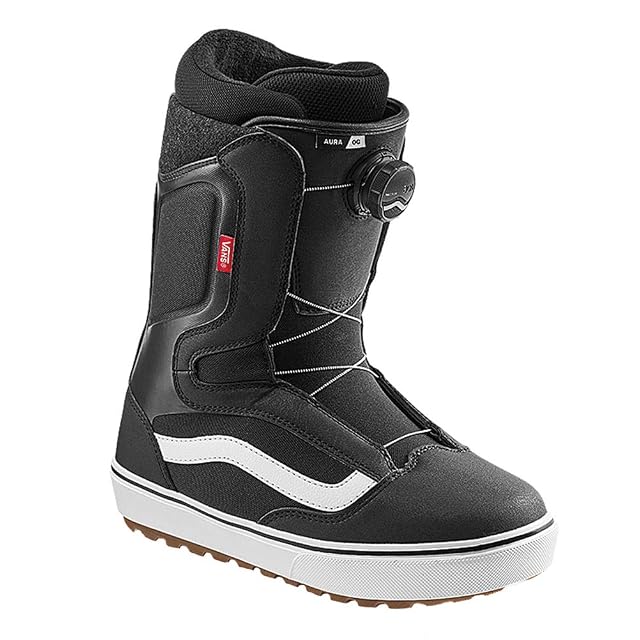
The lacing system, and how stiff the boot really is
The best snowboard boots for 2026
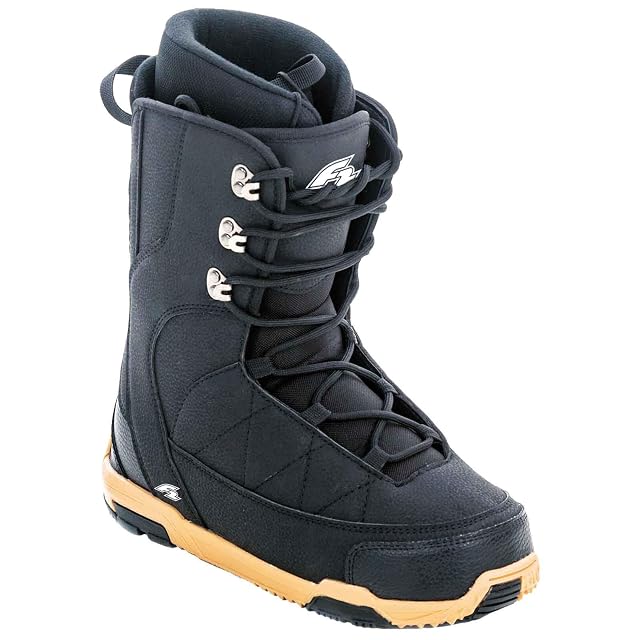
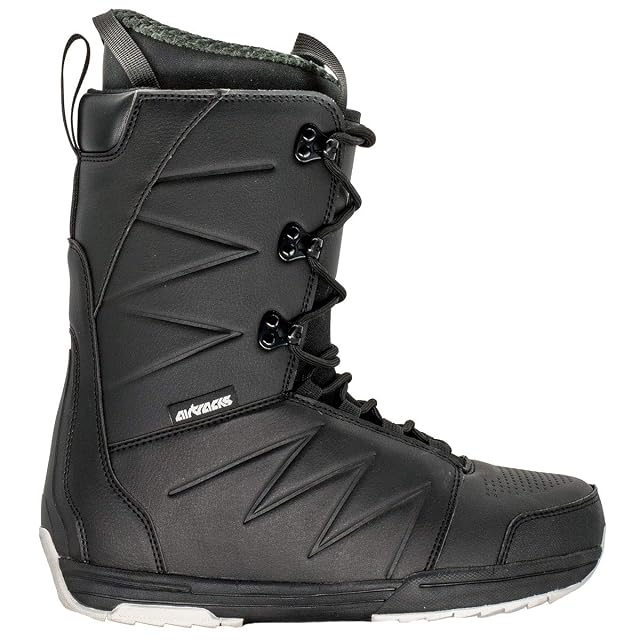
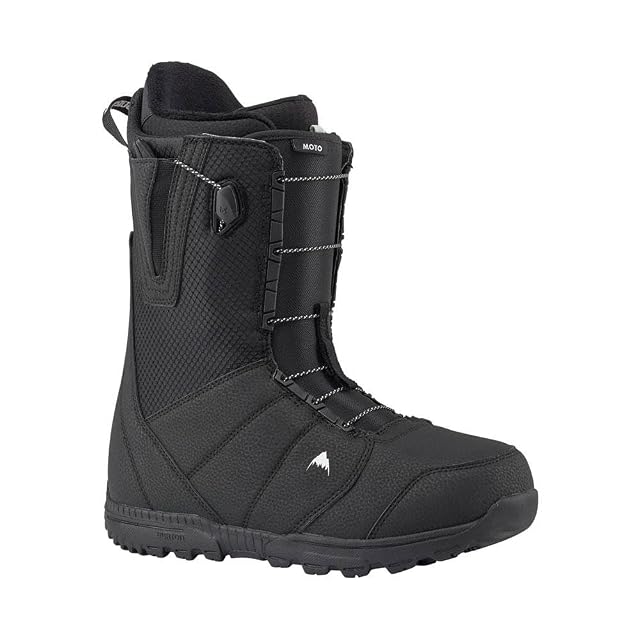
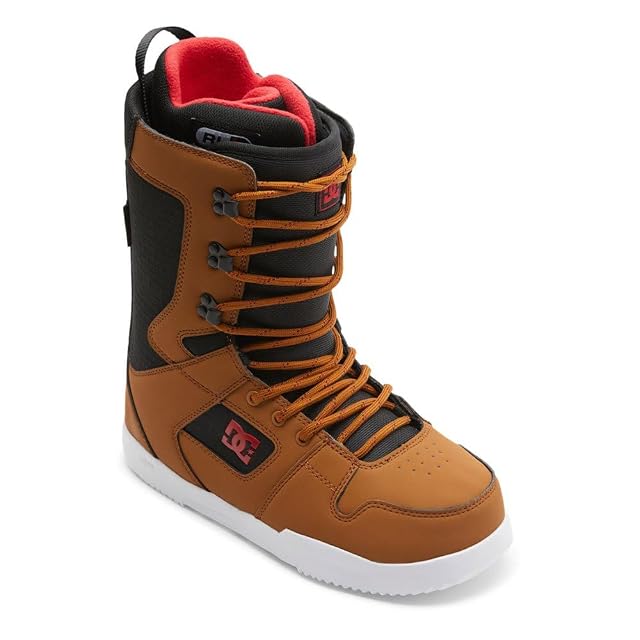
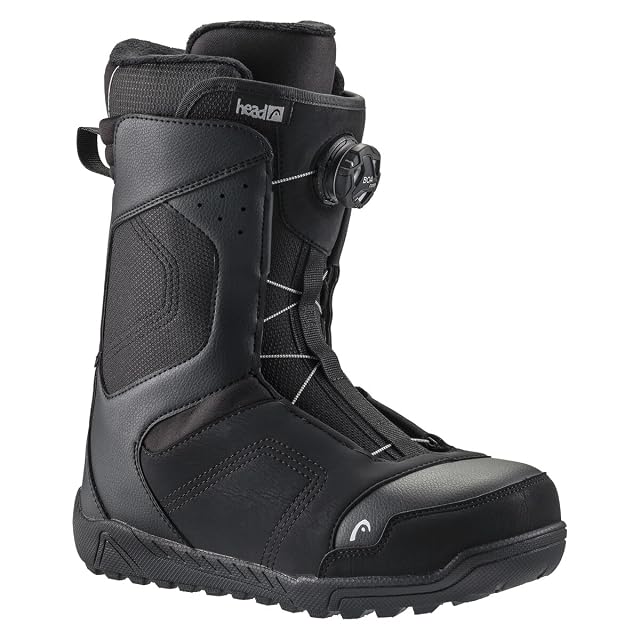
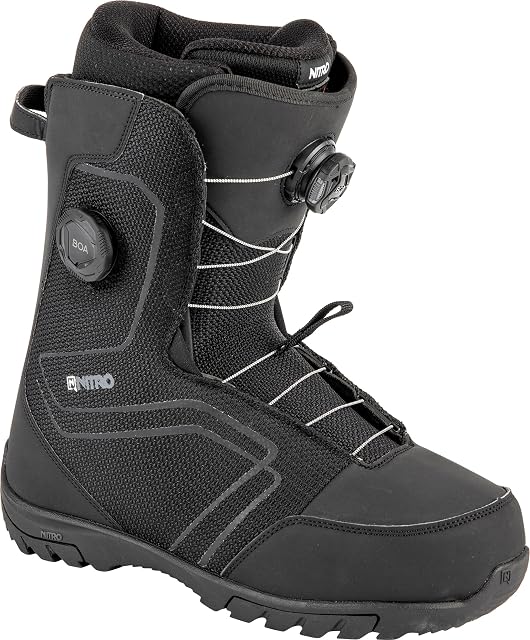
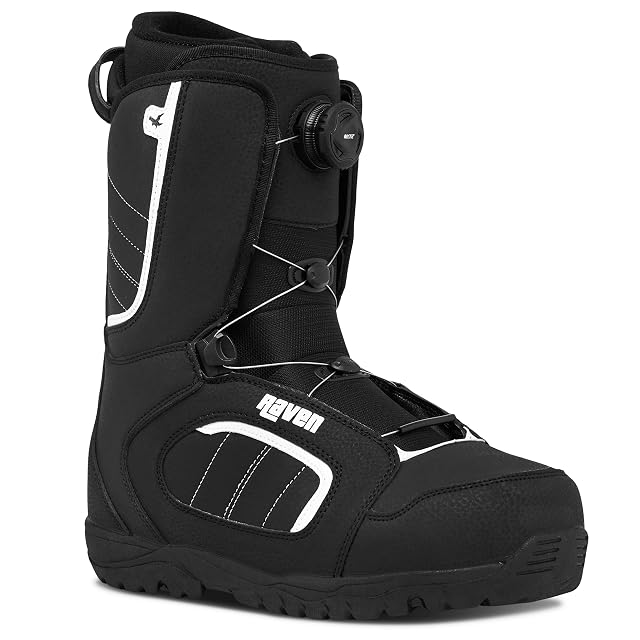
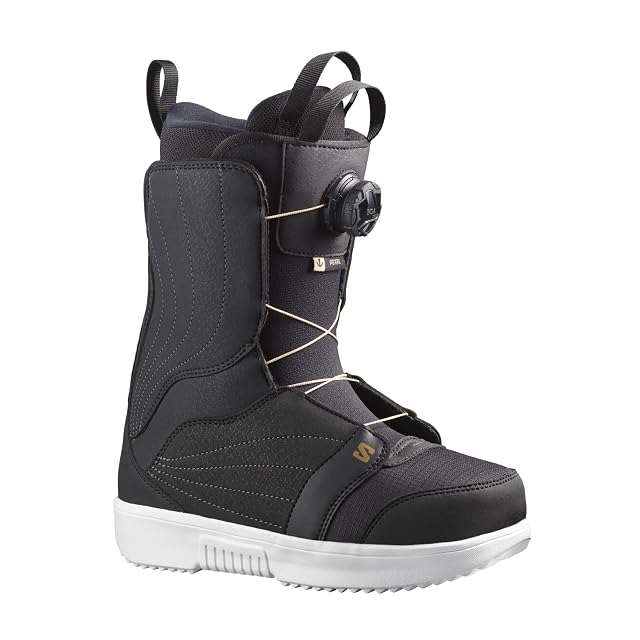
Snowboard boots are soft where ski boots are hard, and the thing that separates them on this shelf is the lacing system. Traditional laces cost least and are the only system that can be tightened unevenly on purpose. A speed-lace arrangement — the corpus shows ATOP, TLS and Boa under four different brand names — pulls the whole boot closed with one handle or one dial, works with gloves on, and costs more. Double-zone systems lace the ankle separately from the foot, which is the difference between a boot that holds the heel down and one that lets it lift. The flex is the second figure and it follows the riding rather than the rider's ambition: soft for a park board, stiffer for a board ridden fast on hard snow. The size is where this shelf splits in two: three of the nine titles print two conventions at once — « Gr. 43 (MP 28,0) », « 47 (30,5cm) », « MP 25.5 // EU 39 1/3 // US 7,5 » — and the other six print one number and leave the conversion to the buyer, on a product where the shell is what has to fit inside a binding. That is the compatibility question: a large boot in a small binding overhangs, and a small boot in a large one moves. The liner decides how much of the first week is spent breaking the boot in, and heat-mouldable liners are sold on exactly that. The boots compared here cost between 128 € and 330 €. We compare mondopoint size, outer length, lacing, flex, liner, footbed and weight.