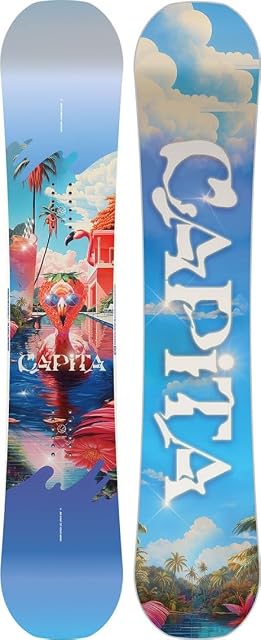
Length, flex and the stance the board is drilled for
The best snowboards for 2026
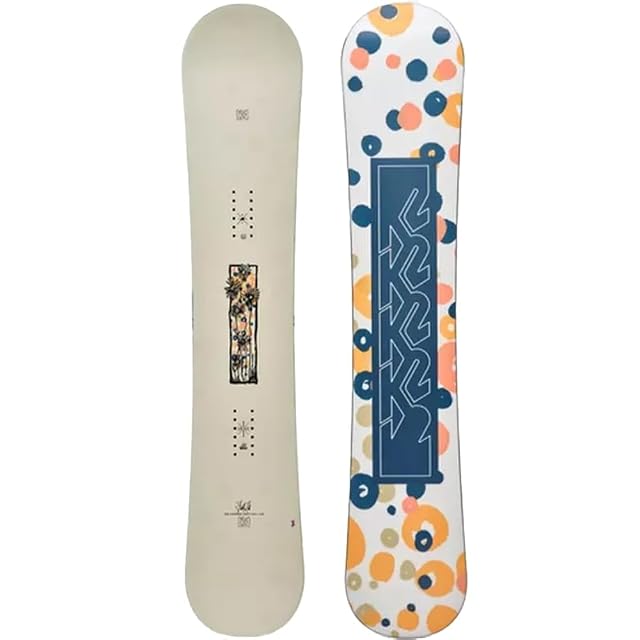
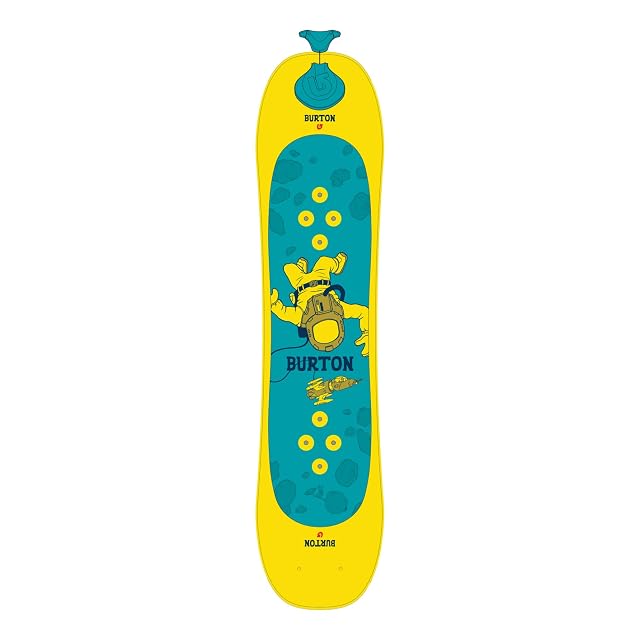
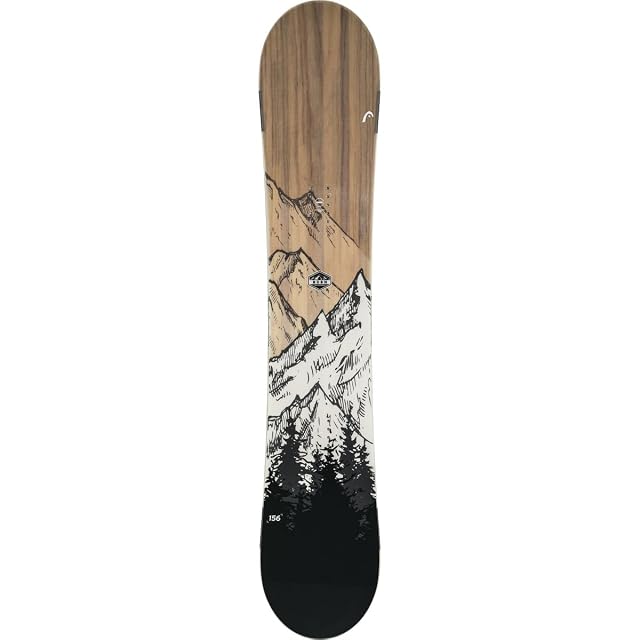
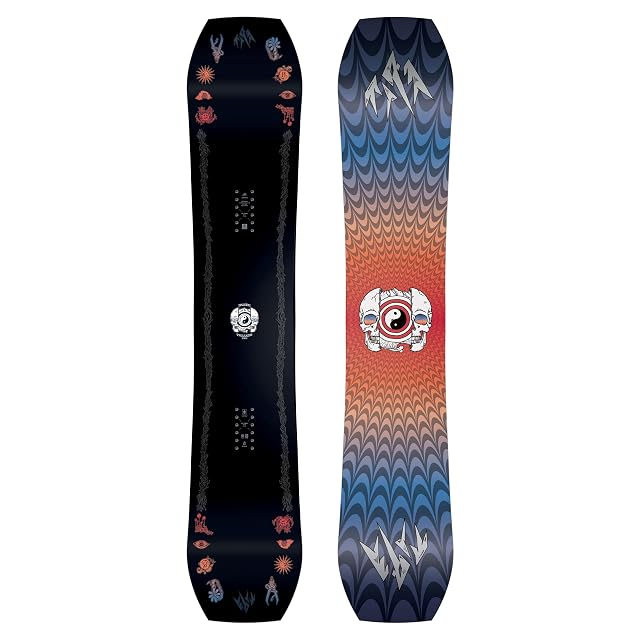
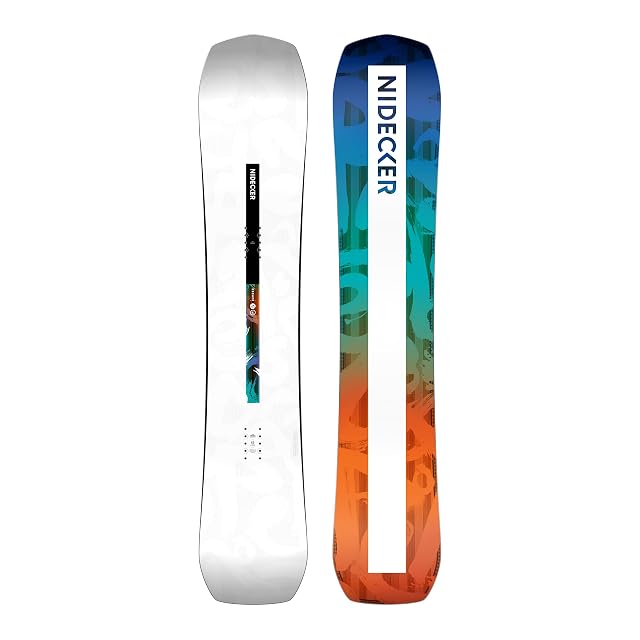
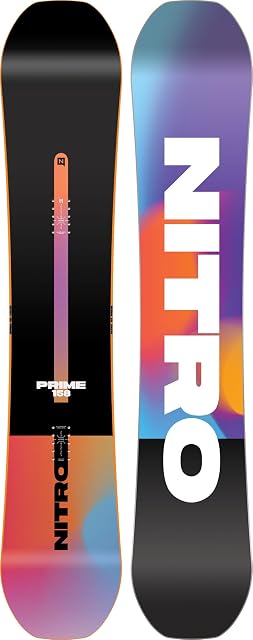
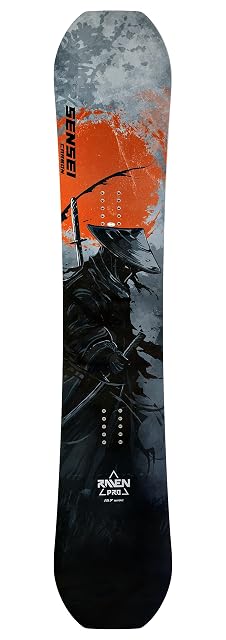
A snowboard is chosen on four things, and only two of them are usually printed. The length comes first and it is read against weight rather than height: a board carries a rider, and the corpus shows 150 cm on a carbon freestyle deck next to boards sold by size letter alone. The width matters more here than on skis, because a boot that overhangs the edge will catch when the board is on edge — anyone with a large foot is buying a wide board or accepting drag. The camber profile is the shape of the base when the board sits flat, and it decides almost everything about how the board feels: traditional camber holds an edge and demands attention, rocker forgives and slides, and the hybrids in between are the reason every maker has its own name for the same three ideas. The flex is the fourth, quoted from soft to stiff on a scale each brand invents, and it should follow what the rider does rather than what they aspire to. Then there is the part nobody mentions until the bindings arrive: the insert pattern drilled into the deck. 4×4, 2×4 and the channel systems are not interchangeable without an adapter disc, and a board and bindings bought separately from different makers is exactly where that goes wrong. We compare lengths, waist width, profile, shape, flex, effective edge, insert pattern and rider weight.