Three antennas, and the range the maker publishes
The best avalanche transceivers for 2026
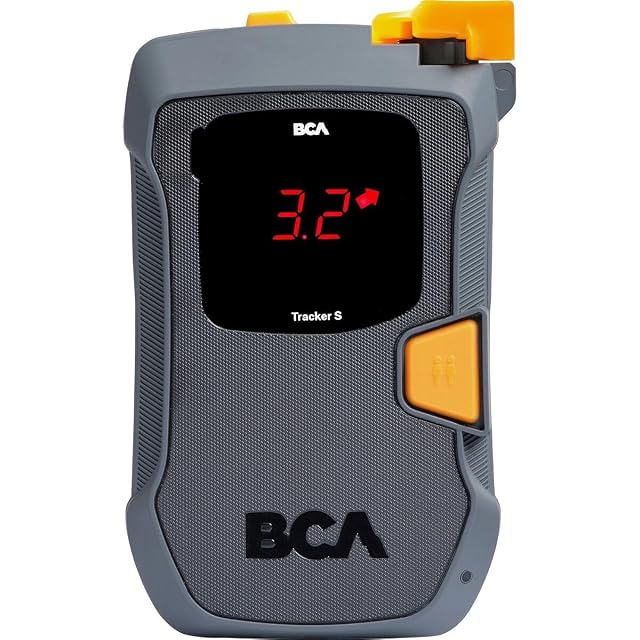
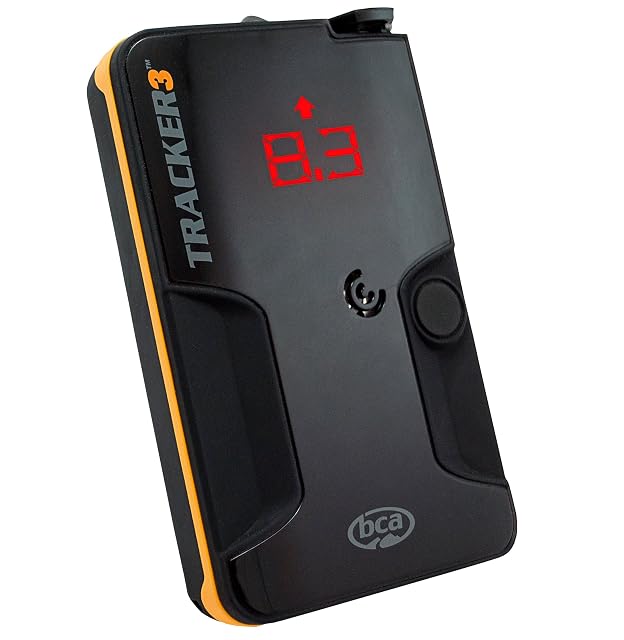
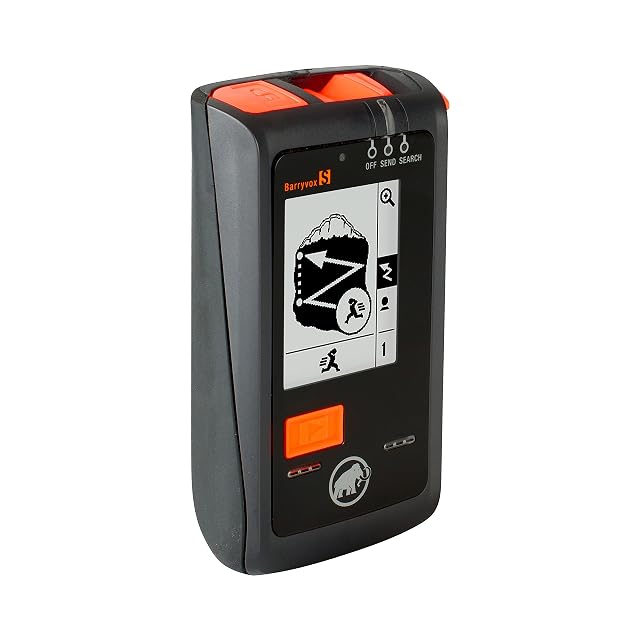
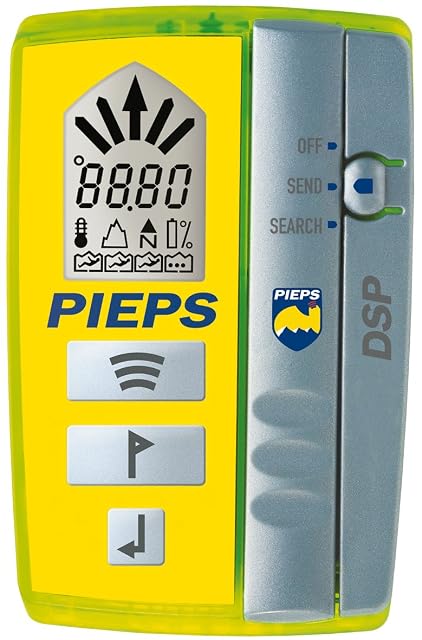
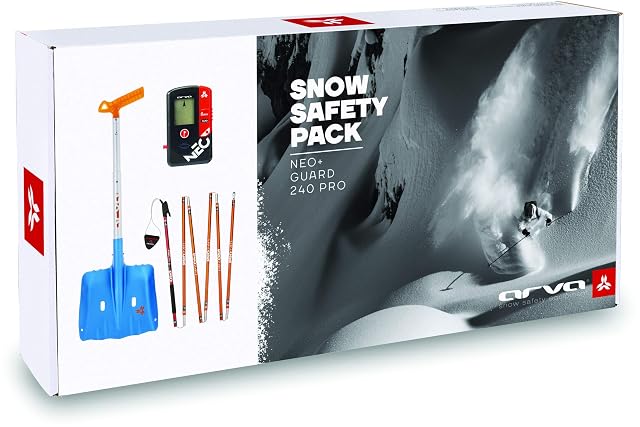
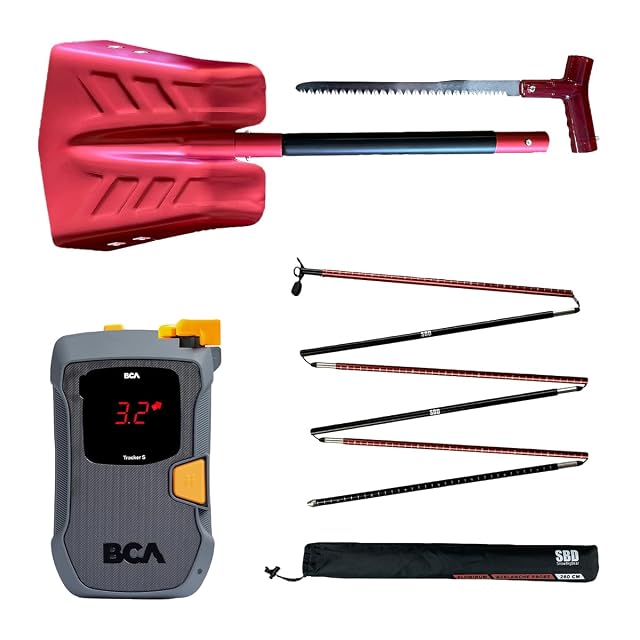
A transceiver is the only product on this site whose purpose is to be found rather than used, and it is also the only one that is useless alone: it works as part of a set with a probe and a shovel, and all three have their own shelf here. The shelf is narrow because the market is — the corpus names BCA, K2, Arva, PIEPS and Mammut and very little else — and that is the honest shape of it rather than a gap in the search. The first figure is the antenna count. Three antennas are now the expectation: the third resolves the direction ambiguity that two cannot, and it is what makes a search converge instead of circling. The second is the search strip width, the band a searcher can cover in one pass, published in metres and derived from the receiving range. It sets how quickly a slope can be swept, and it is a manufacturer figure measured under conditions the listing does not state. The third is multiple-burial handling — whether the device can mark a found signal and move on — and it is the feature that separates the models by a hundred euros. Then the ordinary things that decide whether the device is used: the battery type and how the charge is displayed, the display itself and whether it gives a direction as well as a distance, and the harness. Prices run from 246 € for a bare transceiver to 458 € for one sold as a rescue set with a probe and a shovel. Nothing here is described as making anything safe: a transceiver shortens a search, and the page reports what the maker publishes. We compare antennas, stated search strip, display, multiple burial, batteries, stated battery life, service interval and weight.