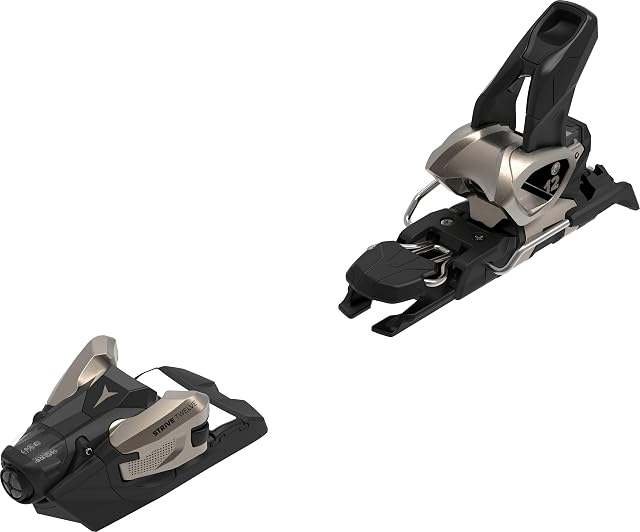
DIN range and brake width — two numbers, no approximation
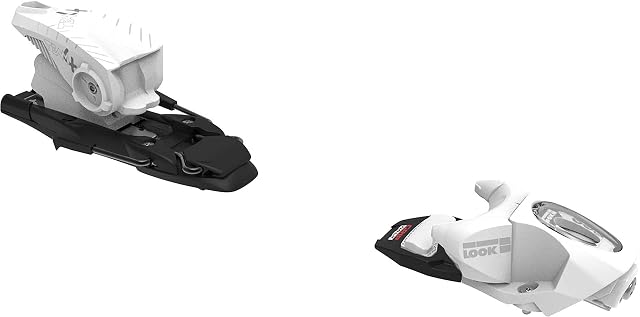
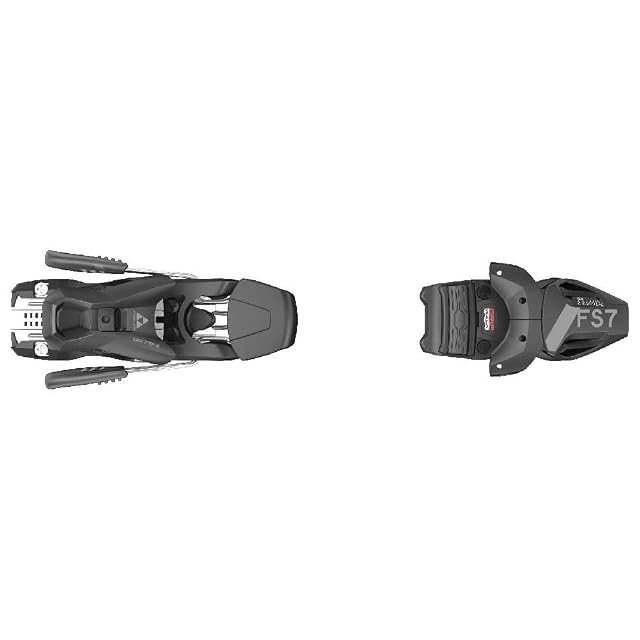
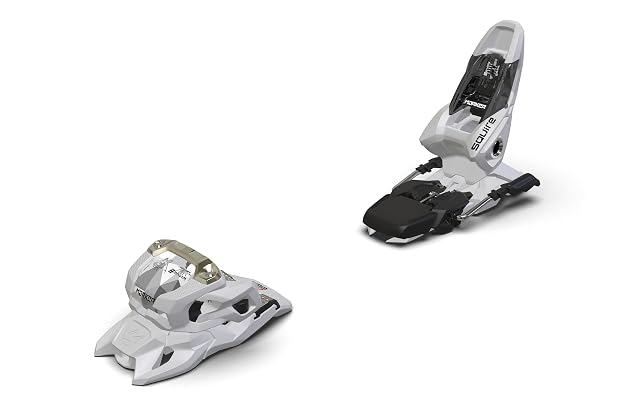
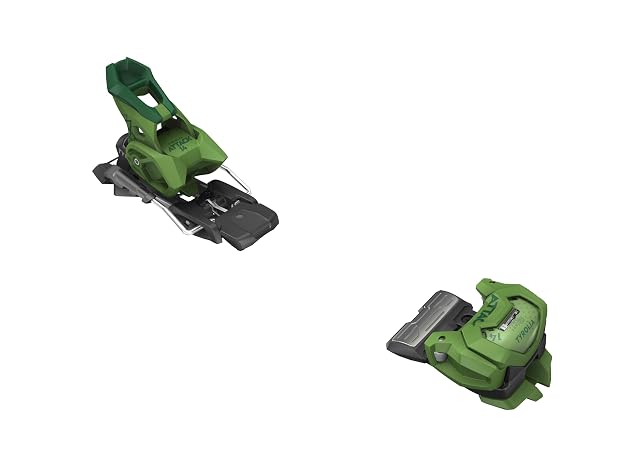
Replacement ski bindings, compared
A binding is bought on two numbers and neither of them tolerates rounding. The DIN range is the release setting, and only two of the five bindings here publish one: Z 2–7.5 on the junior, Z 4–14 on the freeride model. The other three carry a 4, an 11 and a 12 in their model names and no range anywhere. The range has to bracket the skier — a setting at the very bottom or the very top of a binding's range is a binding used outside what it was designed for, and the consequence is a release that comes too early or not at all. The brake width is the second: 76, 90, 110 and 115 on the bindings here, and it must match the waist of the ski. Too narrow and it will not go on; too wide and the brake arms drag in a turn. The third figure is the one listings hide: the sole standard the binding accepts. GripWalk soles, classic alpine ISO 5355 and touring soles are not universally interchangeable, and a binding marked GripWalk-compatible is making a statement the others are not. Then the practical matters: whether the binding is sold with a mounting plate and screws or bare, and its stand height, which changes the leverage the skier has over the edge. This shelf is polluted by a different product — ski straps and wrap bands sold under the same word — and they live on their own shelf here for that reason. We compare DIN range, brake width, sole standards, stand height, mounting, spare brakes and weight per pair.