Flex, curve and hand — three numbers on every shaft
The best ice hockey sticks for 2026
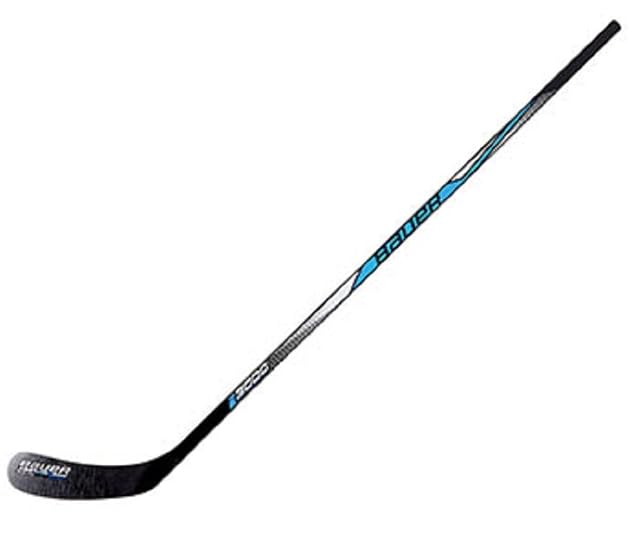
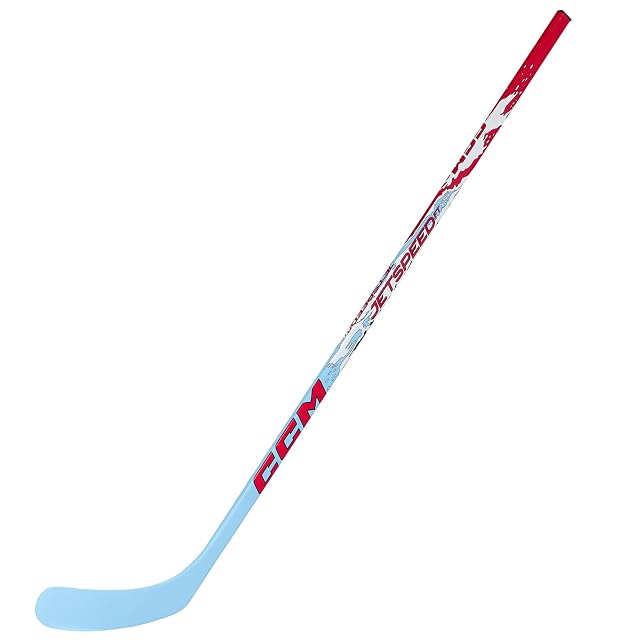
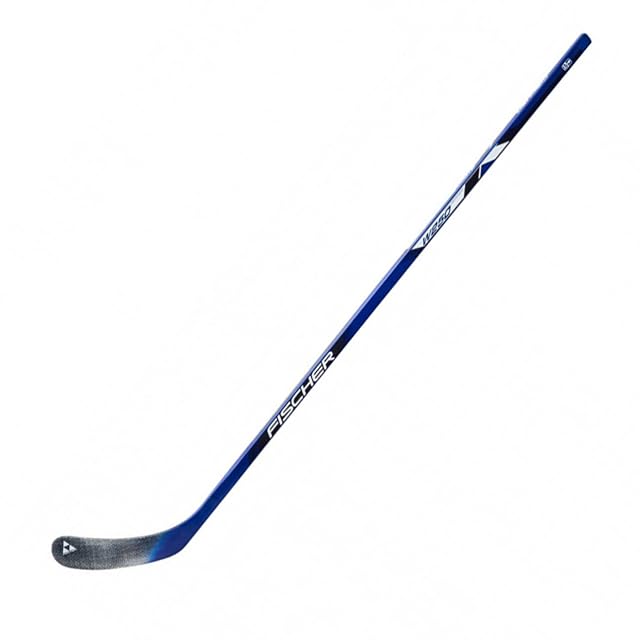
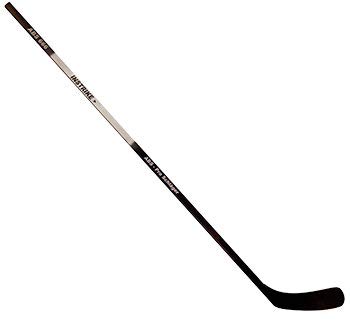
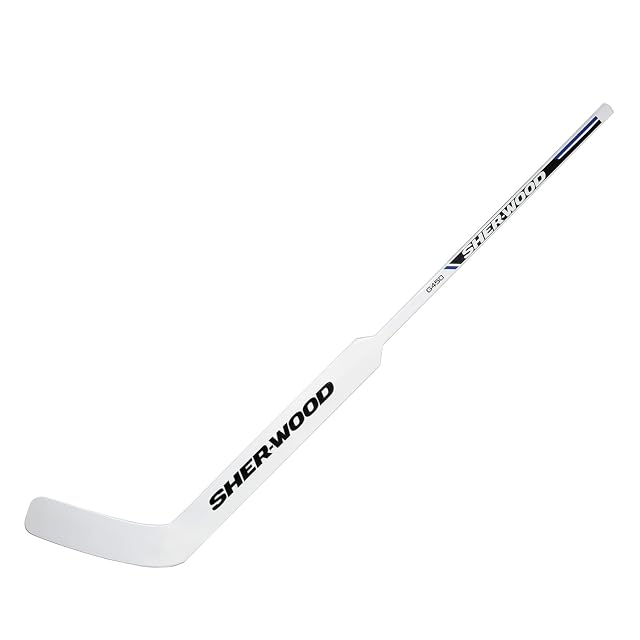
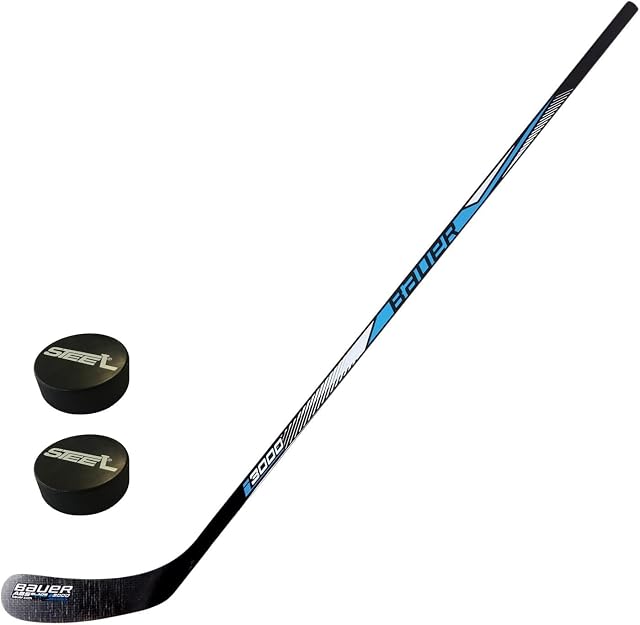
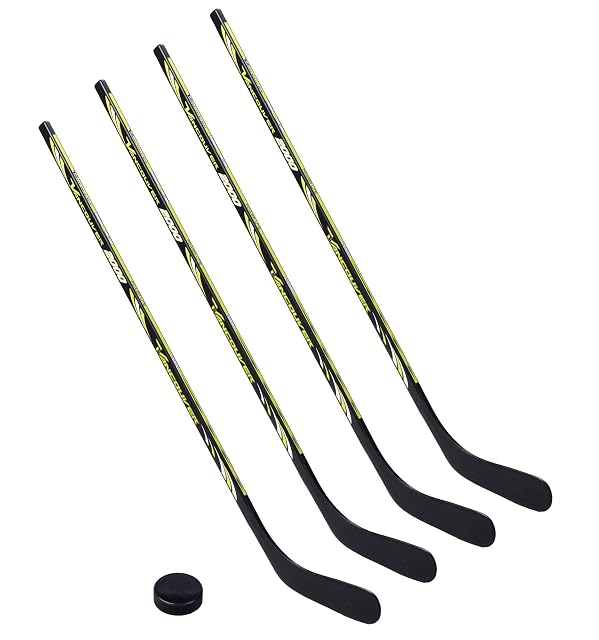
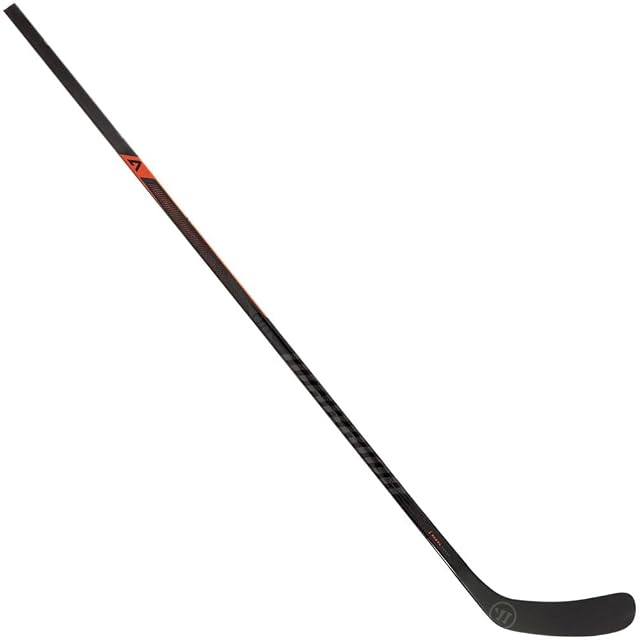
A hockey stick carries three numbers and getting any of them wrong makes the stick unusable rather than merely imperfect. The flex is how much force in pounds bends the shaft an inch, and the corpus shows the whole ladder: 10 on a youth stick, 75 on a senior composite. The rule of thumb is half the player's body weight, and a stick too stiff will not load at all while one too soft folds in a shot. The curve is the blade pattern — W03, 29 and the named curves each maker keeps — and it changes where the puck sits and how it lifts; it is a preference built on habit rather than a better-or-worse scale. The hand is the one that cannot be adjusted: a left-hand stick has the lower hand on the left, and the corpus is careful about it because a right-handed person very often shoots left. The length is quoted in inches or centimetres, 100, 119 and 128 cm on the youth sticks here and 166 cm overall on the senior, and a stick can be cut down — which raises its effective flex — but never extended. The shaft material divides the shelf by price: wood is cheap, heavy, forgiving and used for street and starter sticks; composite is light, precise and breaks rather than bends. The blade follows, with ABS plastic facings on the sticks meant for rough ice and outdoor use. The sticks here cost from 34 € to 93 €. We compare level, length, flex, curve, hand, shaft material, blade material and weight.