Length, shaft material, and the basket at the bottom
The best ski poles for 2026
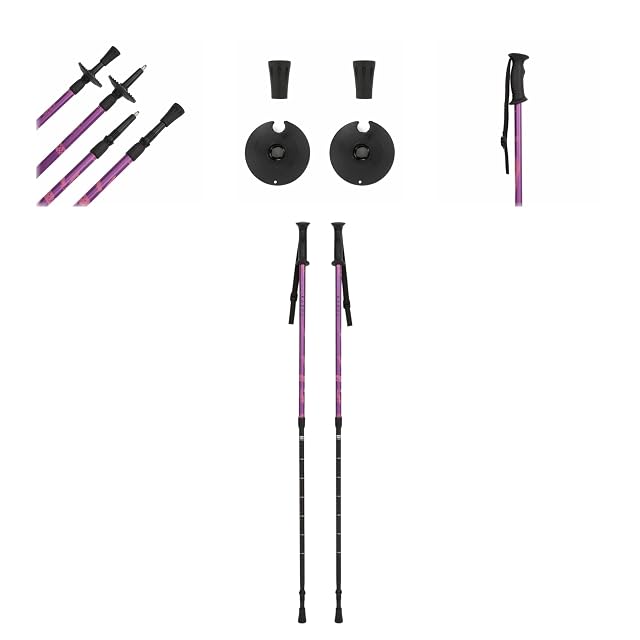
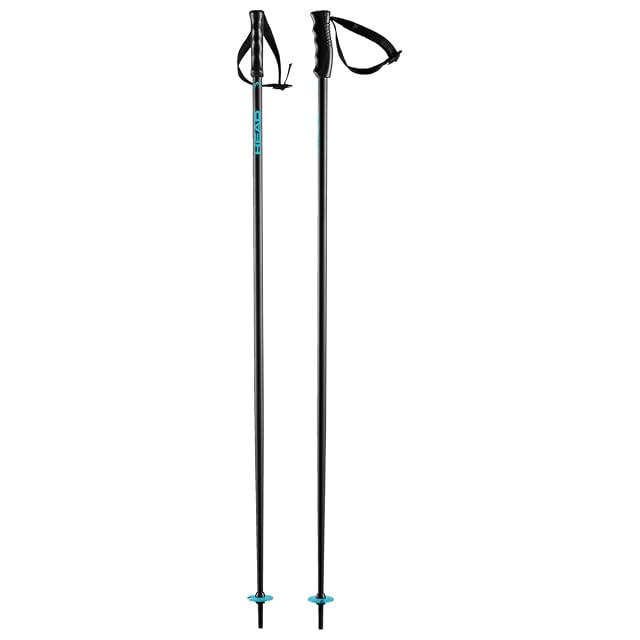
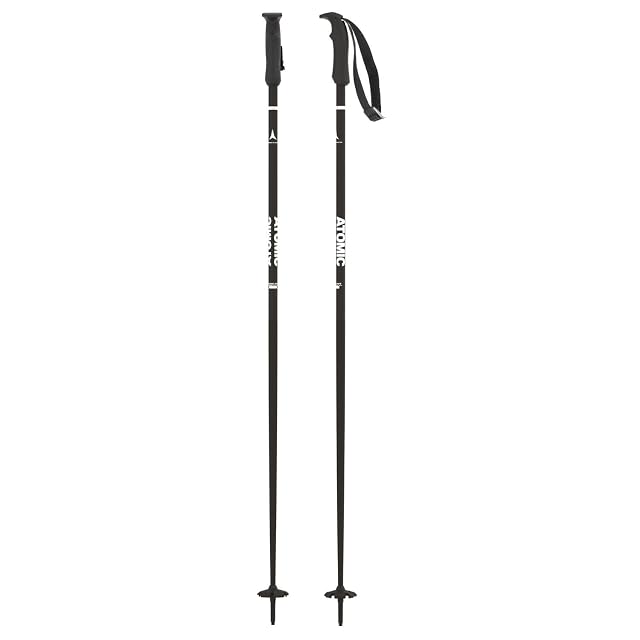
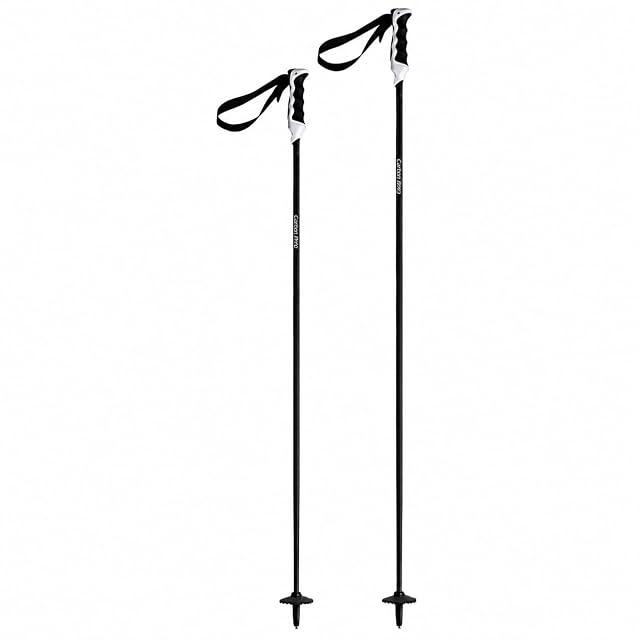
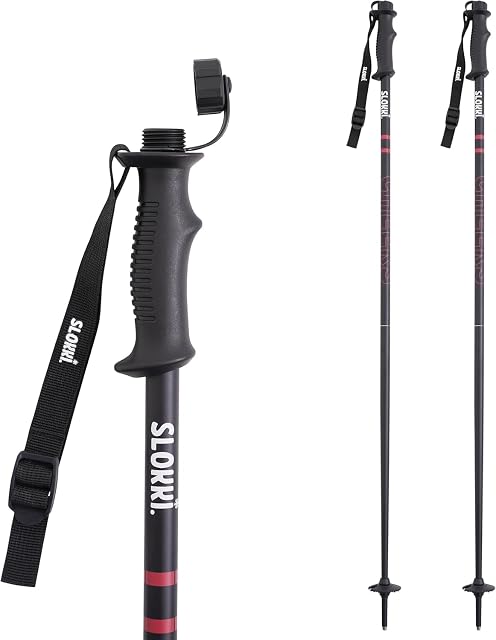
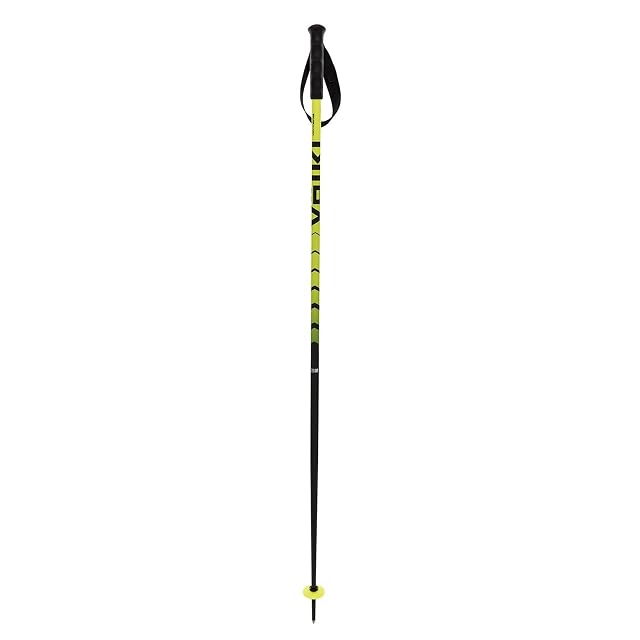
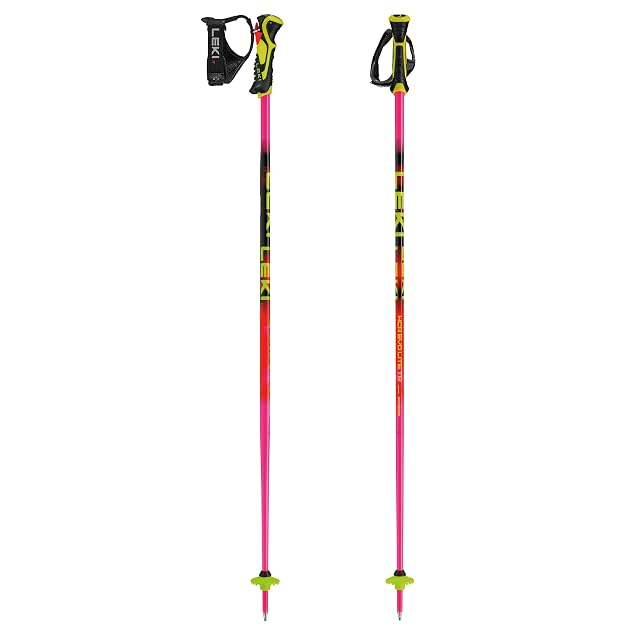
A pole is the cheapest thing that changes how skiing feels, and the figure that decides it is the length. Held upside down with a hand under the basket, the forearm should sit level: that is the test, and it gives 110 to 135 cm for most adults — the corpus shows fixed lengths across that band. Too long and the hands are pushed up and back at every plant; too short and the body folds forward. The shaft material divides the shelf: aluminium bends and stays bent, which makes it cheap and survivable, while carbon is lighter and stiffer and snaps rather than bends. The grip and the strap are what the hand actually meets, and a strap that can be released under load is a genuinely different object from a loop of webbing. The basket at the bottom is the part nobody reads and the one that matters off piste: a small piste basket sinks in deep snow, a wide powder basket does not, and baskets are usually replaceable. The last thing separates two uses: whether the pole is fixed, adjustable or folding. A telescopic pole shortens for a climb and lengthens for a descent; a folding pole packs onto a rucksack. This shelf is polluted by trekking poles sold under the same word — they belong to a sister site — and the difference is the basket and the strap rather than the tube. We compare lengths, shaft material, grip, strap, basket, adjustable and weight per pair.