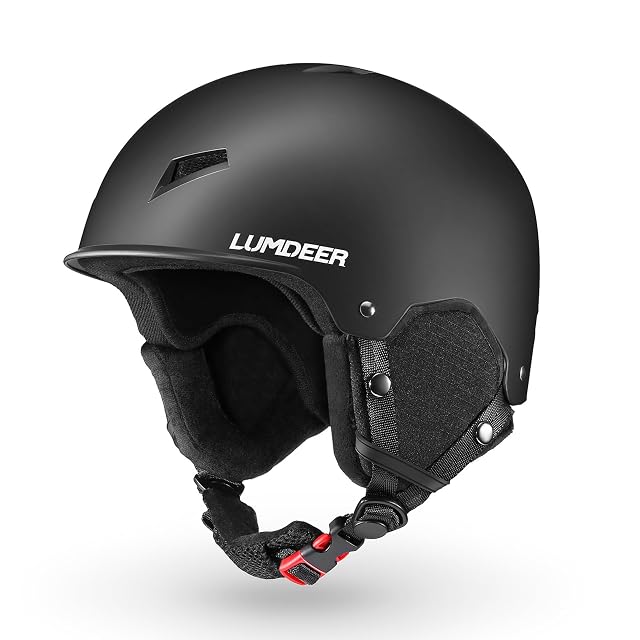
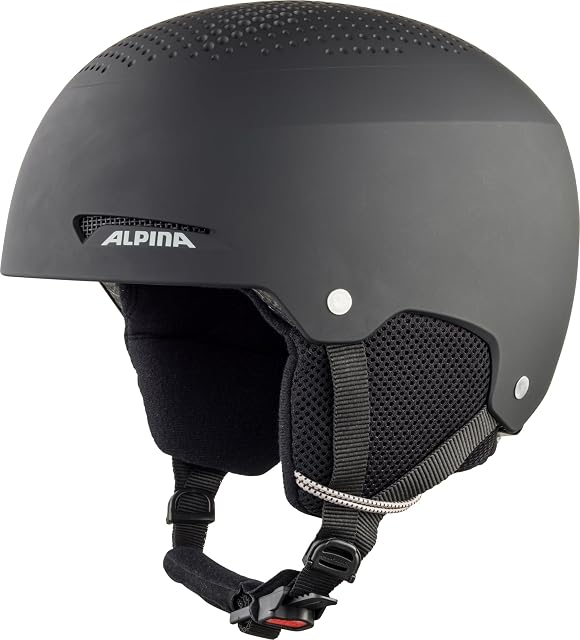
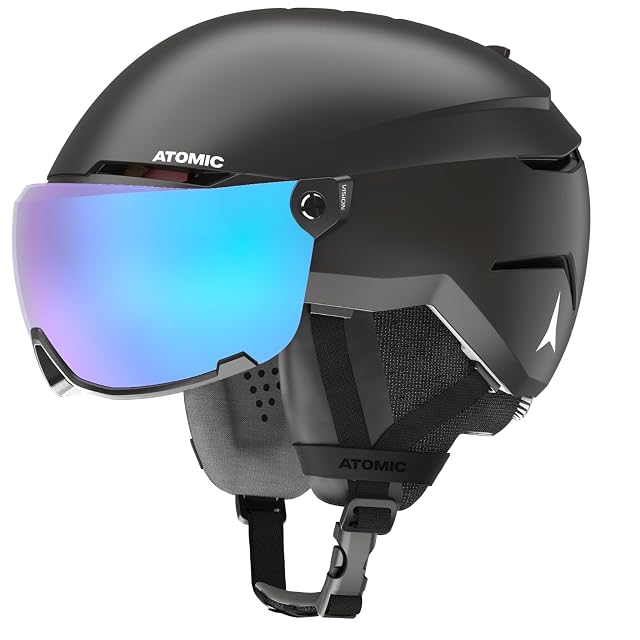
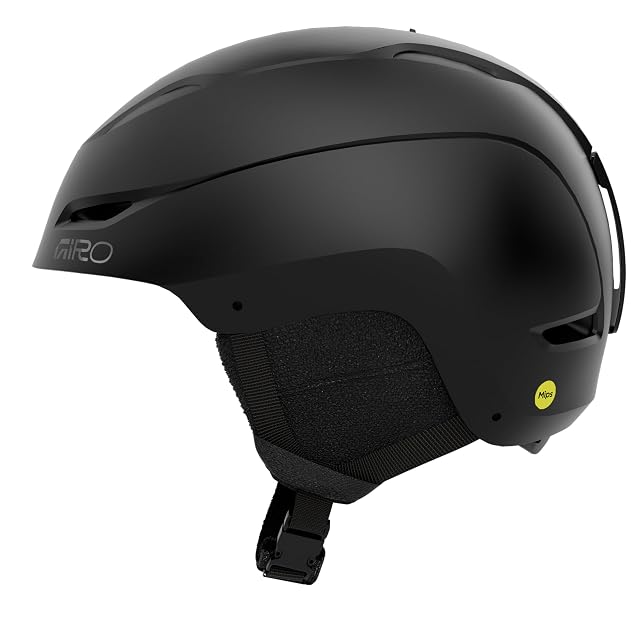
Shell size in centimetres, and whether a visor replaces goggles
The best ski helmets for 2026
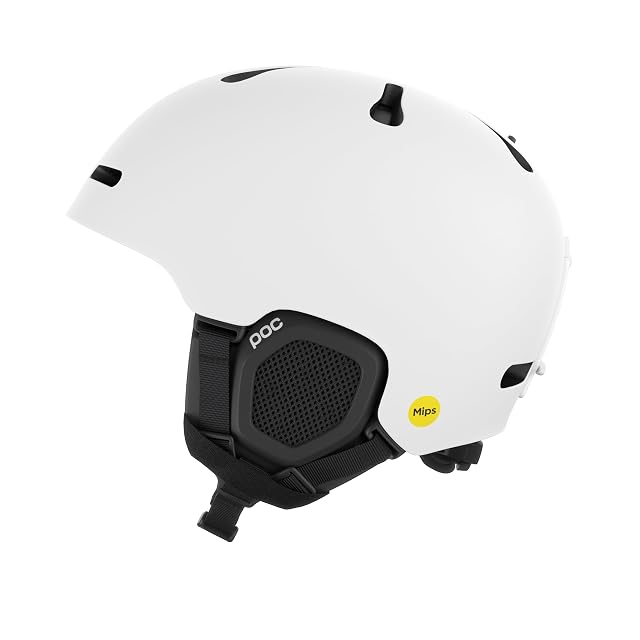
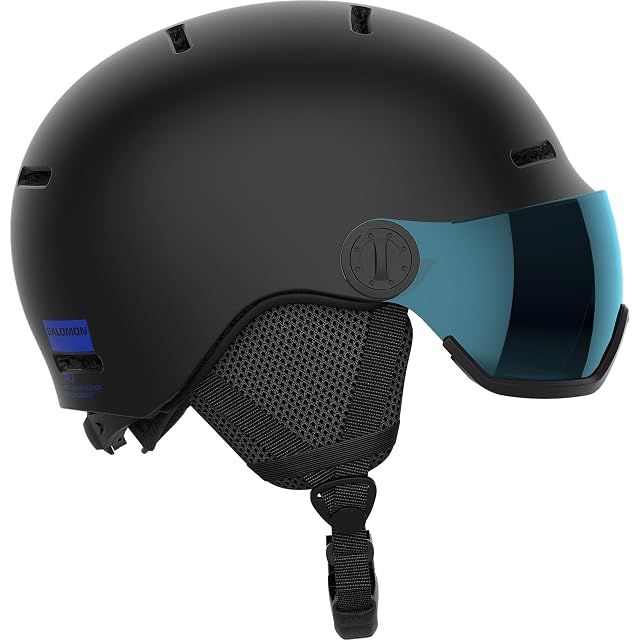
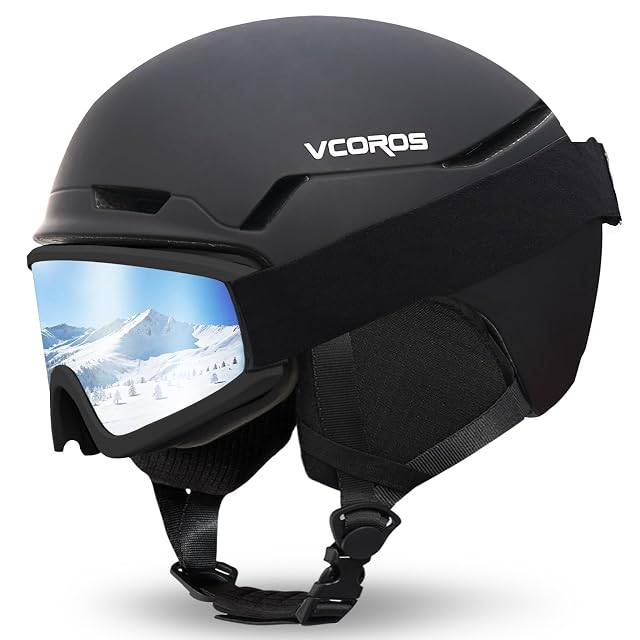
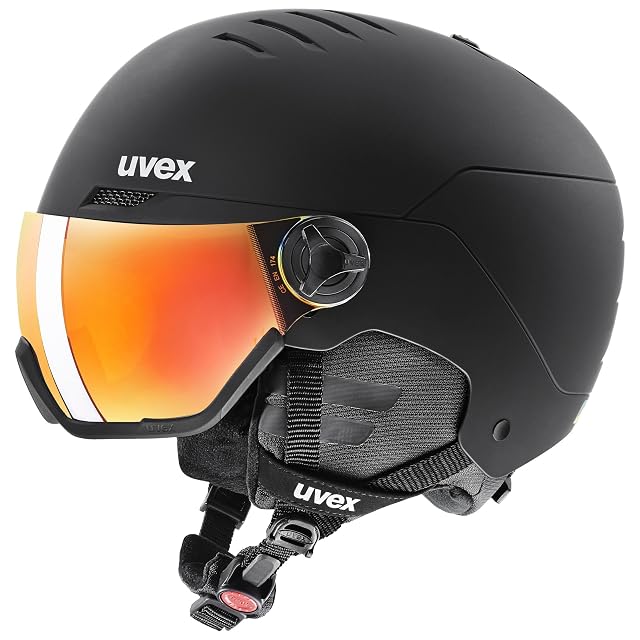
A helmet is sized in centimetres of head circumference, and only two of the eight here print the bracket — 51–55 and 54–58 — while the rest sell an S, an L or a maker’s own code. A tape measure round the head above the ears answers the question that a size L does not, because the same L is 57 cm on one brand and 60 on another. The second decision is whether the helmet carries a visor. A visor helmet replaces goggles with a hinged screen, which suits spectacle wearers and anyone who dislikes a strap, and it costs more; a conventional helmet has to fit the goggles you already own, and the gap between the two is the detail that ruins otherwise good pairings. Then comes the part that matters most and is hardest to compare: rotational protection. A liner that lets the shell move a few millimetres against the head — MIPS on the models that carry it — addresses the twisting forces that a plain shell does not, and it is stated or it is absent. The construction follows: in-mould shells are lighter, hardshell ABS takes knocks better, hybrids try both. The vents decide whether the helmet is bearable on a warm spring afternoon, and whether they close matters as much as whether they exist. The weight is the last figure and rarely printed, which is a shame, because it is what the neck notices by four o'clock. We compare head circumference, class, construction, rotational protection, visor, vents, adjuster and weight.