Off-piste safety
The avalanche three, and what a set actually contains
Three items are bought together or not at all, and a fourth is a separate argument. This page does not tell anyone whether to go off-piste, and it does not rank these products on protection — nothing on this site carries a test of protection. It reports what each listing publishes, because on this shelf the difference between listings is unusually large.
By Jean-Benoit Buisson
Four purchases, and one of them is optional in a way the other three are not.
1. The transceiver, and the one that publishes its numbers
The K2 unit here publishes 457 kHz, a weight of 215 g, its dimensions, a strap and the batteries it ships with. It is the only new transceiver on this site that gives the first three.
Frequency matters because 457 kHz is the international standard and a device outside it cannot be found by anyone else’s receiver. Weight matters because the device is worn against the body for years.
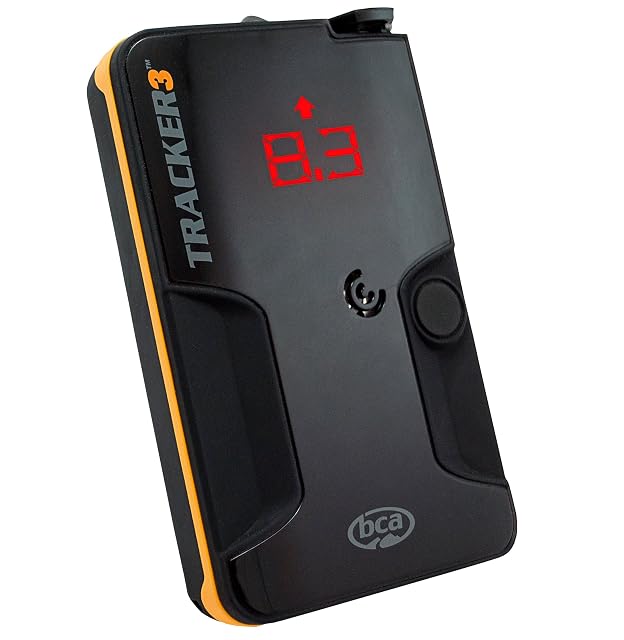
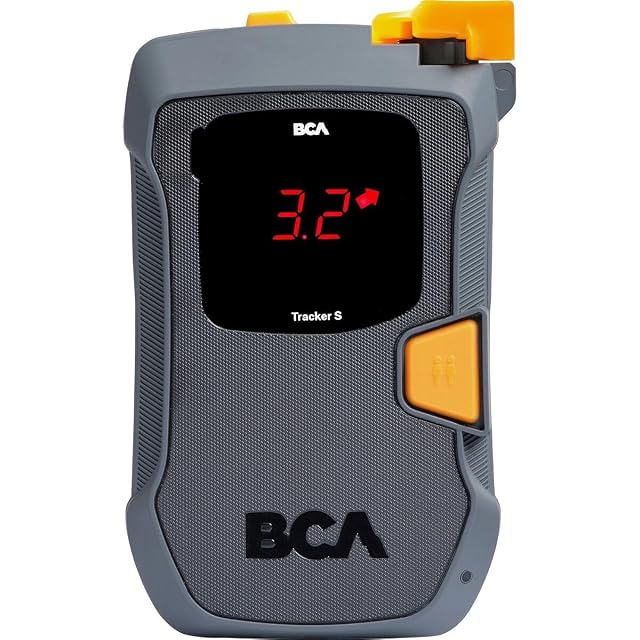
2. The cheaper transceiver, and what it leaves out
The BCA unit is the cheapest here, and its listing says plainly what it does not do: no motion sensing, no upgradeable software. The maker calls those advanced features for snow professionals and states that the search performance is the same.
A listing that names its omissions is rarer on this shelf than one that names its features.
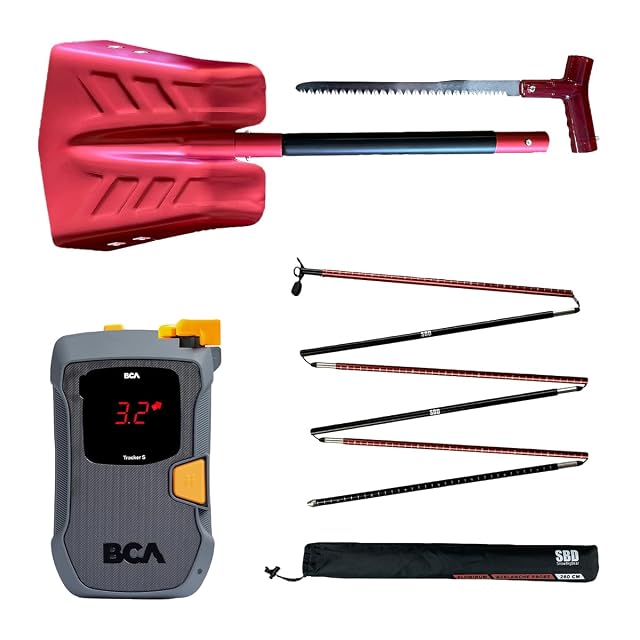
3. The set, which is the only one that lists its contents
The SnowBigDeal set contains a transceiver, a 260 cm aluminium probe and a shovel with a saw and an extendable handle, each described.
That is the minimum standard for a set. Two other bundles on this site are sold as safety packs and never say what is inside them, which makes them impossible to price against the parts.
4. The airbag, and the trap on that shelf
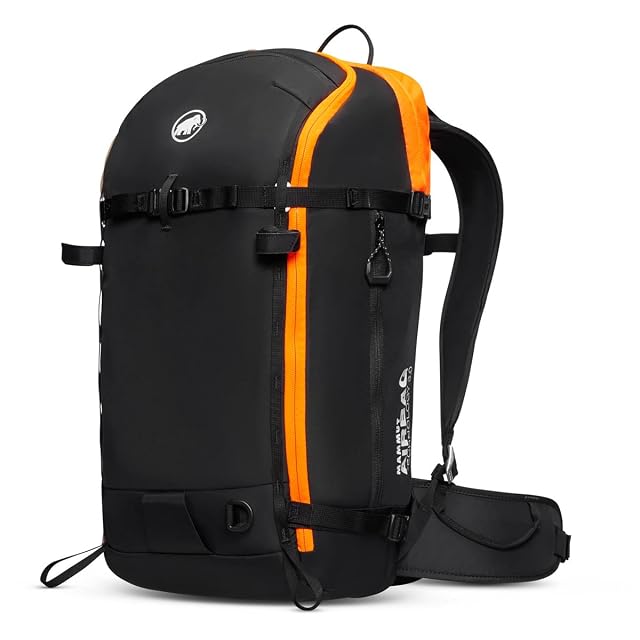
The Mammut pack is the cheapest here that states the airbag is in the box.
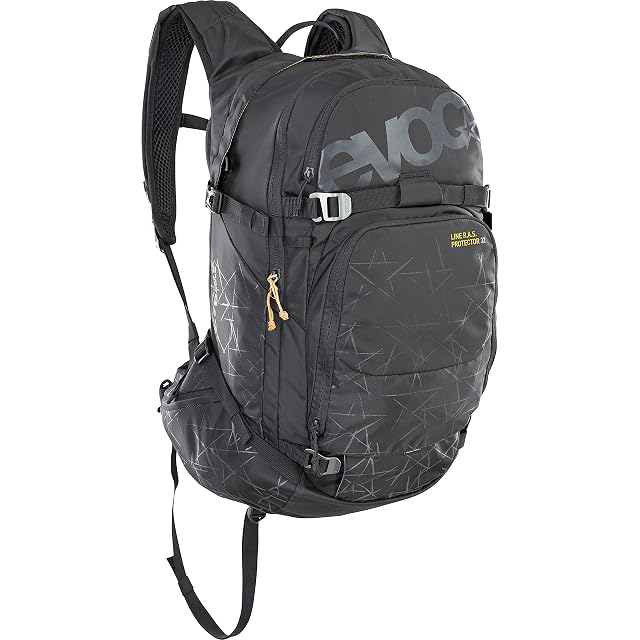
Read that sentence twice, because the shelf needs it. The EVOC pack below it is sold as an avalanche airbag rucksack and the system is not included — it accepts a Mammut R.A.S. 3.0, bought separately. Its price is therefore not comparable with the packs beside it, and its own listing is the only reason anyone would know.
What this page stops short of
That any of this makes anyone safe. Not one listing on either shelf carries a test result, and a rescue device is only as good as the practice behind it. What this page reports is which listings publish enough to be compared.
Questions this guide leaves open
Why is the shovel not in this list?
Because the list only holds reviews, and shovels and probes are on their own accessory shelves here. That is a limitation of the page, not of the advice: the transceiver is useless without both. This site keeps an avalanche shovel shelf and an avalanche probe shelf, and the third pick below is a set that contains all three in one box.
Does an airbag replace the three?
No. They answer different questions: an airbag is about not being buried, and the three are about being found if you are. The listings on the airbag shelf do not claim otherwise, and neither does this page.
What does a transceiver listing have to publish?
A frequency — 457 kHz is the standard — a weight, a search strip width and a battery type. On this site exactly one new unit publishes the first three and none of them publishes a strip width except a used one. That is the finding of this shelf.
Is buying a set cheaper?
Sometimes, and it is always easier to check. The set on this shelf is the only one that lists what is in it, item by item, which is the minimum for comparing a box against three separate purchases.