Getting started
A first snowboard setup, and the three things that must agree
A snowboard setup fails in a way a ski setup does not: the three parts can each be excellent and still not work together. Boot size decides binding size, binding pattern decides which boards accept it, and one system on this site only accepts boots built for it. So this list is ordered by what constrains what.
By Jean-Benoit Buisson
Five purchases, ordered by what constrains what.
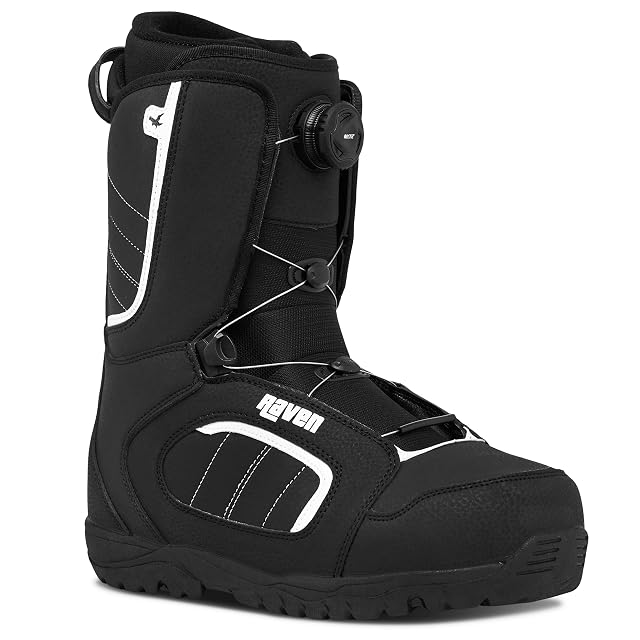
1. The boots, and the one that publishes a length
The RAVEN boot here is the only one on its shelf that publishes an outer length in centimetres, and it explains how to measure your foot against that number.
That is the figure that predicts boot drag, and it is the figure nobody else prints. A boot sold as EU 47 tells you nothing about how far it sticks out past the binding.
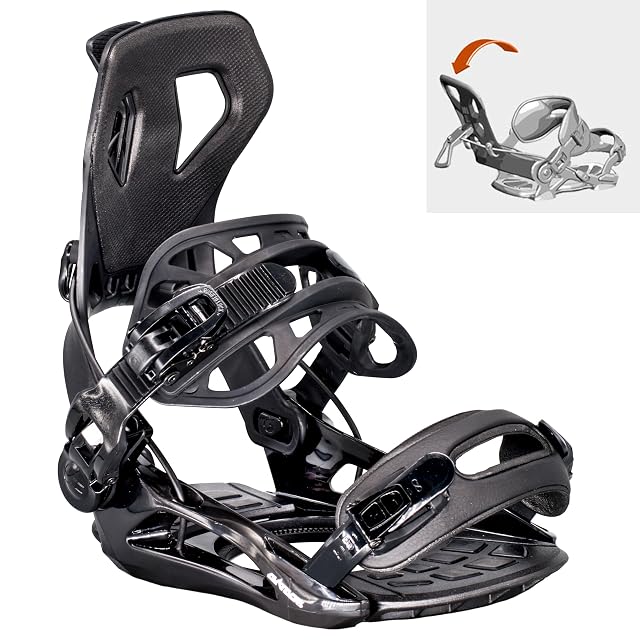
2. The bindings, and the one that says which boots fit
The Airtracks binding is the only one on its shelf that publishes what boot size each of its sizes takes: M for 38–41, L for 41–44, XL for 44–47.
Everywhere else on that shelf the sizes are letters and the mapping is left to the buyer. This is the single most useful line a binding listing can carry.
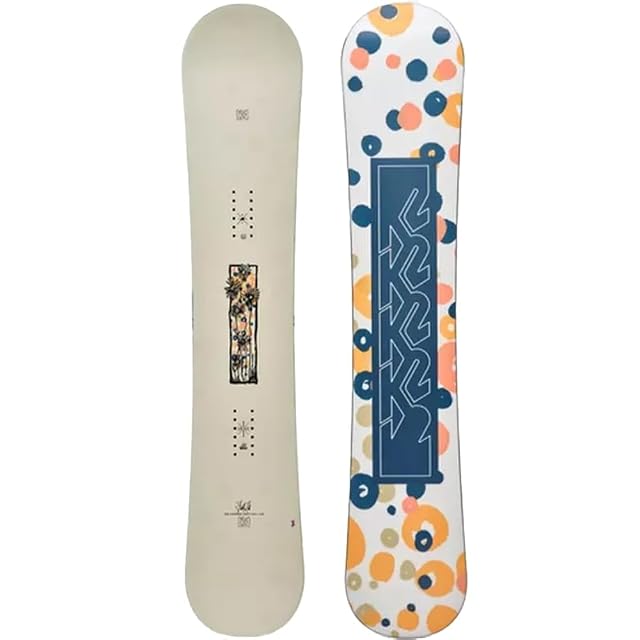
3. The board, and the pattern underneath it
The K2 board here publishes its insert pattern — 2×4 — which nothing else on that shelf does, and it is the cheapest board on a shelf where most start at twice the price.
Insert pattern is how the binding bolts on. A binding disc that does not match the board’s pattern does not mount, and on a small board the question is not academic.
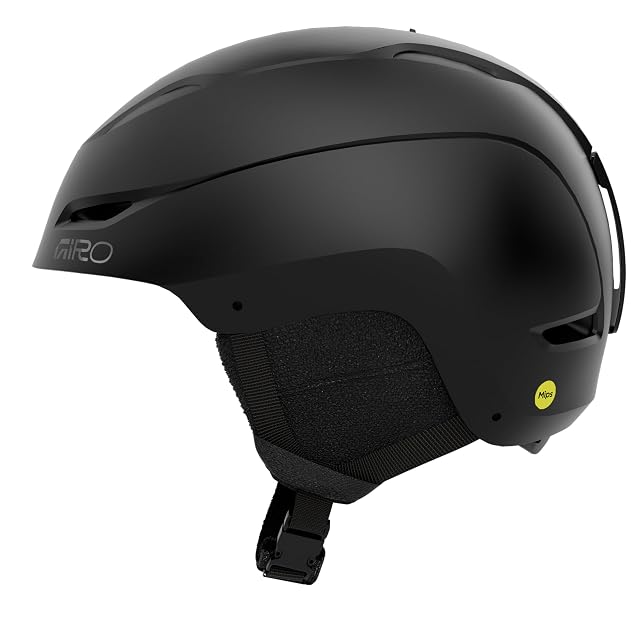
4. The helmet
The same argument as on skis, and the Giro here publishes MIPS, its shell construction and six centimetres of fit adjustment.
5. The system to understand before buying, not after
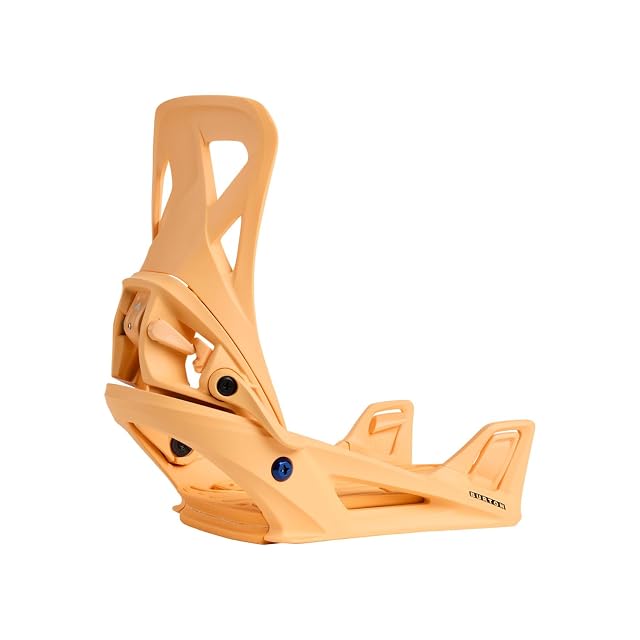
The Burton Step-on binding is on this list as a warning rather than a recommendation. It only works with boots built for it, and the listing’s five bullet points are database fields that never say so.
If you want that system, buy the boots and the bindings together and knowingly. If you already own boots, this binding is not a purchase — it is a second purchase you have not budgeted for.
Questions this guide leaves open
Why the boots first?
Because everything downstream is sized from them. A binding is sold in S, M, L or XL and those letters mean boot sizes, not foot sizes; a wide board exists because large boots hang over the edges of a normal one. Get the boot wrong and the other two purchases are wrong with it.
What is boot drag?
The toe or heel of the boot touching the snow before the edge does, which unweights the edge mid-turn. It is the reason wide boards exist, and it is why a size 47 boot changes which boards are worth considering. One boot on this site publishes its outer length in centimetres, which is the figure that actually predicts it.
Are step-on systems a trap?
They are a commitment. The Burton binding on this shelf only works with boots built for it, and its own five bullet points never mention that. Nothing is wrong with the system; the problem is a beginner buying it alongside boots from another maker.
Do I need wrist guards?
A first week on a board is spent falling onto hands and onto the tailbone. This site has a wrist guard shelf and an impact shorts shelf, and neither can appear in the list above because they are accessories. Both are worth more on day one than an upgrade to any item in the list.