Getting started
A first alpine setup, in the order each one earns
Hiring skis for a week costs a fraction of buying them, and hiring boots is what makes the week unpleasant. That single fact sets the order of this list: the things that touch you are bought first, the things underfoot last. Every item here is on this site because its listing publishes enough to be checked, not because it is the cheapest.
By Jean-Benoit Buisson
Five purchases, and the order is the argument.
1. The boot, because it is the only thing sized to you
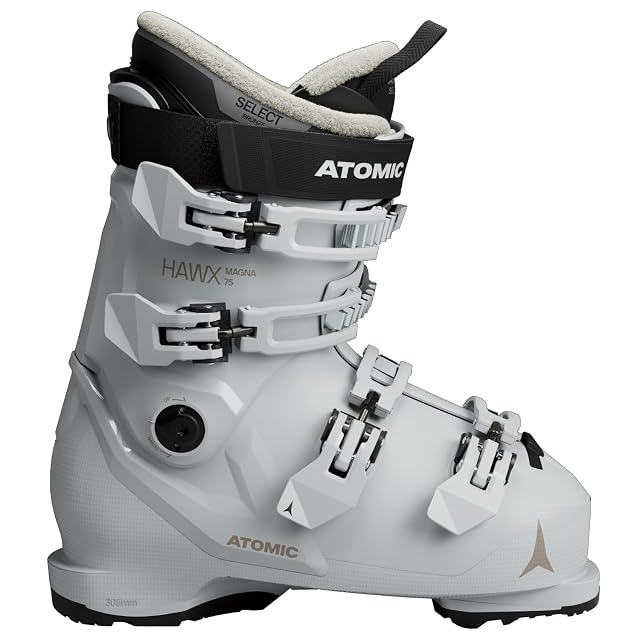
A ski boot is the one item on this list that is fitted rather than chosen. The Atomic on this site publishes a last width and a flex number, which is two more usable figures than most of its shelf, and it says plainly that it is cut for a wide foot.
Last width is the measurement across the ball of the foot. Two boots of the same Mondopoint size and different lasts are two different boots, and almost no listing publishes it.
Buy this one in a shop if you possibly can, and use this site to know what to ask for.
2. The helmet
The Giro here publishes MIPS, a hardshell over EPS, adjustable vents and six centimetres of fit adjustment. Fit range matters more than it sounds: a helmet adjusted to its limit is a helmet that moves.
A hire shop charges for a helmet every day of every week. The arithmetic takes about two seasons.
3. The goggle, and check what it does to the light
The uvex here is the only goggle on its shelf that publishes a filter category and a light transmission range. Category 2, 19–43 %.
That pair of numbers is the whole goggle question. A dark lens on a flat grey afternoon hides the bumps; a clear one on a bright morning is unusable. Nearly every listing on that shelf sells a mirror finish and never says what the lens does to the light.
4. The poles, which cost less than a lift pass
The HEAD pole names its alloy and its basket diameter in the same listing, which nothing else on that shelf manages. A 50 mm basket is a piste basket; wider ones exist for soft snow and the difference is visible.
Length is found by turning the pole upside down, gripping under the basket, and looking for a level forearm.
5. The skis, last, and with the binding’s DIN range printed
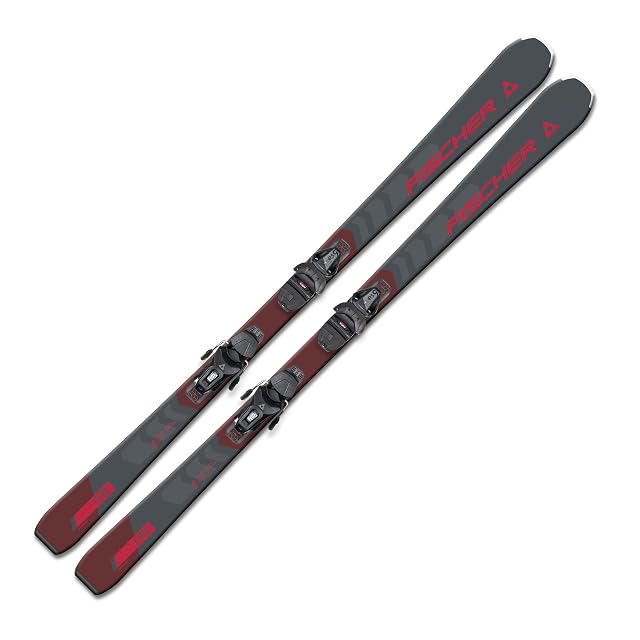
The Fischer set is the most completely specified ski on its shelf: three widths, a radius at a named length, an ability band, and a binding whose DIN range is printed on the listing.
That last part is why it is here rather than a cheaper set. A binding sold without its DIN range cannot be checked against your weight, height, boot length and ability before you buy it — and it is a workshop, not a website, that sets the number.
What this list does not include
Everything that is not needed on day one. This site has shelves for ski bags, boot bags, locks, socks, gloves, neck warmers and hand warmers, and none of them belongs before the five items above.