Skip to content

Fischer RC Fire SLR 170 cm vs Blizzard Anomaly 84 R, 176 cm

Which of the two fully specified skis on this shelf is for you?

Most alpine listings on this site publish a length and an ability level. These two publish a sidecut triple, a radius, a profile and a binding with its DIN range printed — so for once the comparison can be made on numbers. The numbers then say the two skis do different jobs.

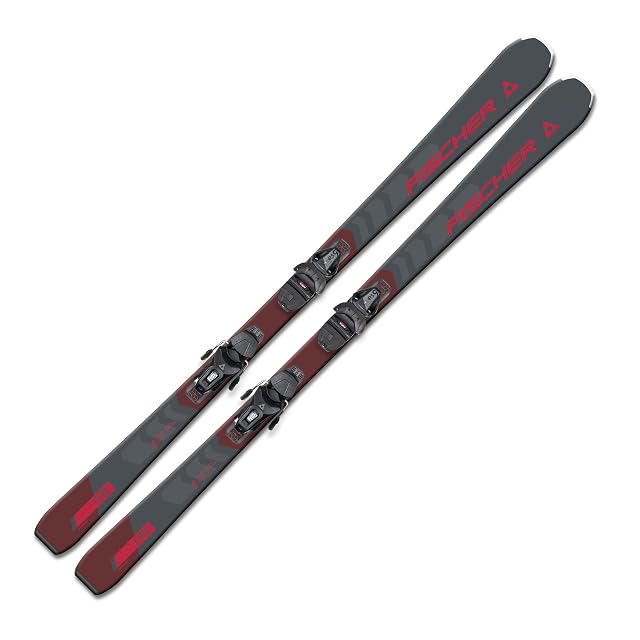
Fischer RC Fire SLR alpine ski, 170 cm, with RS9 SLR binding mounted

Fischer RC Fire SLR 170 cm

Wins 2 of 8

Check price

≈ €250

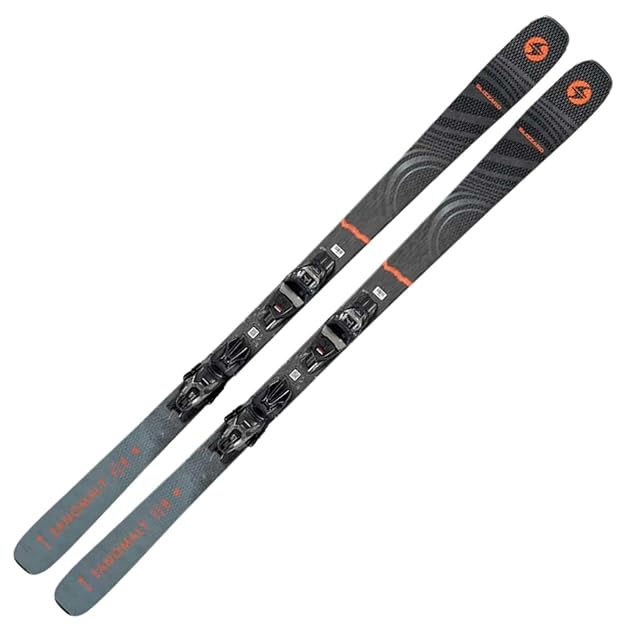
Blizzard Anomaly 84 R alpine ski, 176 cm, with TPC 10 Demo binding

Blizzard Anomaly 84 R, 176 cm

Wins 2 of 8

Check price

≈ £457 / €511

Line by line

Compared on RC Fire SLR 170 cm Anomaly 84 R, 176 cm
Lengths 170 cm (this listing); other lengths sold separately 176 cm, as listed
Waist width 73 mm 84 mm
Dimensions 118-73-101 mm 124.5-84-107.5 mm at 176 cm
Radius 15.5 m, stated at 165 cm length 15.5 m at 176 cm
Profile On-Piste Rocker Described as a freeride rocker ski
Binding included Fischer RS9 SLR, GripWalk, DIN Z 2.5–9 TPC 10 Demo, DIN Z3–10
Level Skill level 1–4 of 10, beginner to intermediate, as stated Good skiers and experts, as stated
Weight Not published Not published

A tick means one listing published something the other did not, or published a better figure. It does not mean the product is better, and the column is not a score out of anything: a maker who says less loses lines here without losing a comparison. The two verdicts below are where the page is settled.

Which one, for whom

Buy the Fischer RC Fire SLR 170 cm

A 73 mm waist with a 15.5 m radius is a piste ski, and the listing states a skill band of 1 to 4 out of 10. It is the one to buy if the week is spent on groomed runs and the skier is still learning to carve. Its binding arrives with a DIN range that starts at 2.5, which matters for a lighter skier.

Buy the Blizzard Anomaly 84 R, 176 cm

An 84 mm waist and a freeride profile is a ski for soft snow and the edges of the piste, and the listing says so: good skiers and experts. It also does the one thing almost nothing on this shelf does — it prints its radius at the length actually being sold, rather than at a reference length from elsewhere in the range.

The questions this pairing raises

Why does a radius quoted at another length matter?

Because sidecut radius changes with length. The Fischer listing gives 15.5 m measured at 165 cm and sells a 170 cm ski, so the ski you receive turns slightly wider than the figure. The Blizzard gives 15.5 m at 176 cm and sells a 176 cm ski. Same number, two different degrees of usefulness.

Is 73 mm or 84 mm the right waist?

It depends where you ski, not on which is better. A narrow waist rolls from edge to edge faster on hard snow; a wider one floats in soft snow and is slower to tip. Neither listing claims the other’s ground, and this page does not award the line to either.

What is a demo binding?

One designed to be adjusted for different boot lengths without remounting, which is why shops fit them to rental and test skis. The Blizzard set carries one, with a DIN range of 3 to 10 printed. It is a practical advantage in a household where two people share a ski.

The full reviews

  • Fischer RC Fire SLR 170 cm

    170 cm, 118-73-101, radius 15.5 m at 165 cm, with RS9 SLR Z 2.5–9

    The most completely specified ski on the shelf: three widths, a radius at a named length, a stated ability band and a binding with its DIN range printed.

    Best for: A beginner to intermediate skier staying on piste, who wants the numbers printed

    ≈ €250

  • Blizzard Anomaly 84 R, 176 cm

    176 cm, 124.5-84-107.5, radius 15.5 m at 176 cm, with TPC 10 Demo Z3–10

    The only ski here that publishes its full sidecut and its radius at the length being sold, with a demo binding whose DIN range is printed.

    Best for: An experienced skier who wants one ski for piste and off it, and wants the numbers

    ≈ £457 / €511

The live figure beside a product went and asked the shop for it the moment this page opened; any amount written into the text has not moved since the sentence was drafted, and it is the first of the two that counts.